Christmas Lights & Holiday Decor – Brightening the Season Safely at Home

There is nothing quite like the glow of holiday lights to signal the start of the season. Homes, farms, and neighborhoods across Missouri light up as families decorate, gather, and celebrate. While holiday decor adds warmth and joy, it also brings a temporary increase in fire, electrical, and property risks if safety steps are overlooked. A little preparation goes a long way in keeping the season merry, bright, and safe.

Choose Decorations with Safety in Mind

Not all decorations are created equal. When purchasing lights, inflatables, extension cords, or electric decor, look for products that are UL or ETL certified. These certifications indicate that the product has been tested to meet recognized safety standards.

Avoid using older light strings that show signs of wear, such as frayed wires, cracked insulation, loose bulbs, or exposed metal. If a strand looks questionable, it is best to retire it. Decorations are far less expensive than repairing fire or electrical damage.

Outdoor decorations should always be rated for outdoor use. Indoor lights are not designed to withstand moisture, cold temperatures, or temperature fluctuations

Avoid Overloading Outlets and Extension Cords

One of the most common holiday hazards is overloading electrical systems.

Use extension cords sparingly and only as a temporary solution. Extension cords should never be run under rugs, through doorways, or pinched behind furniture where heat can build up unnoticed. Power strips should not be daisy chained together, and outlets should never be overloaded to accommodate just one more strand.

If you find yourself needing multiple cords or adapters, that is often a sign to scale back or rethink the setup. A simpler display is often the safer option.

Practice Safe Outdoor Lighting

When decorating outdoors, use ground fault circuit interrupter outlets when available. Secure cords away from walkways to prevent tripping hazards, especially in icy or snowy conditions. Fasten lights with clips rather than nails or staples, which can damage wiring.

Weather changes quickly in Missouri. Check outdoor decorations periodically throughout the season to make sure cords have not shifted, cracked, or pulled loose due to wind, ice, or temperature swings.

Christmas Tree Safety Matters

Live Christmas trees bring beauty and tradition, but they require proper care. A dry tree can become a serious fire hazard.

Choose a fresh tree with flexible needles that do not easily fall off. Before placing the tree in water, cut one to two inches off the bottom of the trunk straight across at a 90-degree angle. This fresh cut allows the tree to absorb water more effectively and helps it stay hydrated longer. Yes, many of us grew up cutting the trunk at an angle, but it turns out we have learned a thing or two over the years.

Keep the tree well watered at all times and place it away from fireplaces, heaters, and heat vents. Tree lights should be turned off before leaving the home or going to bed.

Artificial trees should be labeled as fire-resistant, and lights should be in good condition before being installed.

Candles and Decorative Flames

Candles, lanterns, and decorative flames should always be used with caution. Keep open flames away from decorations, wrapping paper, curtains, and greenery. Never leave candles unattended, and consider using flameless LED options in high traffic areas or homes with children or pets.

Prepare Your Home for Fire Safety

The holidays are a smart time to revisit basic fire safety habits.

Check smoke detectors on every level of your home and test them to make sure they are working properly. Review your household fire escape plan and confirm that everyone knows two ways out of each room when possible. Establish a safe outdoor meeting place so everyone knows where to gather in the event of an emergency.

Keep a fire extinguisher easily accessible, especially in the kitchen and near fireplaces or wood stoves. Having a fire blanket on hand can also be helpful for quickly smothering small flames or addressing clothing fires.

A Safe Season Brings True Peace of Mind

Holiday decor should create joy, not worry. Taking a few extra minutes to inspect decorations, manage electrical use, care for live trees, and review fire safety can help prevent losses that no one wants during this time of year.

If you have questions about how your policy responds to fire or electrical losses, or if you are adding significant seasonal displays, we are always happy to talk it through with you. At LCM Insurance Agency Inc., our goal is to help protect the homes, farms, and families we serve through every season, including the brightest ones.

Comments Off on Christmas Lights & Holiday Decor – Brightening the Season Safely at Home

Fireplaces, Wood Stoves & Winter Warmth: Staying Safe the Missouri Way

When winter settles into Missouri and the temperatures begin their steady slide, nothing feels better than the glow of a fireplace or the steady heat of a wood stove. In rural homes, barns, workshops, and outbuildings, these heat sources are more than comfort. They are part of daily living. But with warmth comes responsibility, and a few simple precautions can protect your family, property, and peace of mind all season long.

Start with a Clean, Healthy Chimney

A clean chimney is the first line of defense against winter fire hazards. Schedule a professional chimney sweep at least once a year to remove soot and creosote buildup. Even a small amount of creosote is highly flammable, and regular cleaning helps smoke vent properly and keeps heat where it belongs.

Control Embers and Sparks

Whether you are burning seasoned logs in a fireplace or feeding a wood stove, ember control is key. Use a sturdy screen or door to prevent sparks from escaping, and always keep combustible items like blankets, paper, curtains, and stacked wood at a safe distance. Fireplaces and stoves need open air but plenty of clearance.

Give Heat Sources the Spacing They Need

Many winter fires begin because heaters or stoves are placed too close to walls, furniture, or stored items. Follow the spacing guidelines for your appliance, and keep walkways clear. This is especially important in workshops, garages, and barns where tools, feed, or equipment can drift closer than intended. A few extra inches can prevent a dangerous situation.

Handle Ashes with Care

Ashes can hold heat long after a fire is out, sometimes for days. Store them in a metal container with a tight lid, placed outdoors on bare ground or concrete. Never place hot or warm ashes in plastic containers, cardboard boxes, or near wooden structures. When in doubt, give ashes more time to cool before disposal.

Heat Sources in Barns and Workshops

Rural living often means heating larger spaces like barns, sheds, and shops. Before lighting anything, inspect wiring, outlets, and equipment for damage. Use only heaters approved for the type of space you are warming. Always keep propane, fuel, hay, straw, bedding, and machinery away from ignition sources. A warm workspace is good. A safe workspace is better.

The Missouri Way: Prepared, Practical, and Protective

Missourians understand the value of preparation. Winter heating goes smoothly when appliances are maintained, safety habits are in place, and families know what to expect. A little care helps protect your home, your time, and the people you love.

If you have questions about how your policy addresses fire damage, barns or workshops, or rural heating setups, we are here to help.

Reach out to Jeff Davis or Cathy Filsinger at LCM Insurance Agency Inc. today.

LCM Insurance Agency Inc.
Through all the seasons and all the reasons you need us.
Phone or Text: 636-528-8242

Comments Off on Fireplaces, Wood Stoves & Winter Warmth: Staying Safe the Missouri Way

National Checklist Day: Your Home Inventory Guide

National Checklist Day is a reminder that organization isn’t just about productivity; it’s also about protection. When it comes to your home and personal property, an updated inventory can make all the difference after a fire, theft, or storm loss. Having accurate records helps your insurance adjuster process a claim quickly and ensures that the coverage you’ve worked hard for truly works for you.

Start with a simple list of your valuables. Include furniture, electronics, appliances, décor, and other items that would be costly to replace. Don’t forget seasonal equipment, jewelry, or specialty items like sporting or hunting gear and collectibles. If you’ve recently acquired antiques or other high-value pieces, talk with your agent about additional coverage options to protect their appraised worth.

Modern tools make the process easier than ever. Use your smartphone to take photos or record a video walkthrough of each room. Narrate what you see, describe brands, models, or serial numbers when possible, and store the files securely in cloud storage or an external drive. For receipts or proof of purchase, snap a quick picture and attach it to your digital inventory folder. Be sure to include off-site storage such as a storage unit, barn, or detached garage so nothing of value is overlooked.

Here’s a quick reminder checklist to get started:

  • List every room, including closets and storage spaces
  • Include off-site storage areas and outbuildings
  • Photograph or video each area
  • Record item details and approximate values
  • Keep receipts or appraisals for high-value items
  • Update your list after major purchases or renovations
  • Review your coverage with your agent annually

Taking the time to organize your inventory today means less stress and fewer questions tomorrow. Your agent is always ready to help you make sure your protection reflects your life as it changes, whether you’re adding new valuables, remodeling, or just doing your annual policy checkup.

At LCM Insurance Agency, Inc., we are proud to help families and property owners across Missouri find dependable protection through trusted carriers like Lincoln County Farmers Mutual and others. We work with you to review your coverage, identify gaps, and ensure that your insurance fits your needs, not the other way around.

To learn more or schedule a free policy review, contact one of our trusted agents:

Jeff Davis or Cathy Filsinger
📍 201 Main Street, Troy, Missouri
📞 636-528-8242 | 🌐 www.lcfminsurance.com

LCM Insurance Agency, Inc.
Through all the seasons and all the reasons you need us.

Comments Off on National Checklist Day: Your Home Inventory Guide

Welcoming Fall: Preparedness = Peace of Mind

There’s something special about September in Missouri; the first cool breeze after summer, the colors starting to shift, and the reminder that fall is just around the corner. While we welcome the beauty of the season, September is also National Preparedness Month, making it the perfect time to pause and ensure our homes and families are ready for whatever comes with the change in weather.

Review Your Insurance Coverage

As life changes, so do your insurance needs. Have you added a new building on your property, upgraded equipment, or made home improvements? Maybe it’s been a while since your last policy review. Taking time this month to check your coverage ensures you’re not left with surprises if storm damage, water leaks, or other unexpected events occur. Our agents are here to walk through your policies and make sure they’re up to date and tailored to your needs.

Prepare Your Home for Fall Weather

September often brings wetter, windier conditions that can put stress on your property. A quick seasonal checklist helps reduce risks:

  • Clean out gutters and downspouts to keep rainwater flowing properly.
  • Inspect your roof for missing shingles or soft spots.
  • Seal windows and doors to keep out drafts and moisture.
  • Trim back trees and branches that could fall during strong winds.
  • Test sump pumps to ensure they’re ready if heavy rains arrive.

A little prevention now saves costly repairs later.

Build or Refresh Your Emergency Kit

Preparedness also means having supplies on hand for the unexpected. An emergency kit should cover the needs of every family member—two- and four-legged alike. At a minimum, stock:

  • A 7-day supply of food and water
  • Flashlights, extra batteries, and a first aid kit
  • Medications and copies of medical records
  • Important documents in a waterproof container
  • Blankets, seasonal clothing, and hygiene items
  • Pet food, leashes, and comfort items for your furry family members

These basics provide peace of mind and security should power outages, storms, or emergencies occur.

At Lincoln County Mutual Insurance Agency, Inc., we believe being prepared is one of the greatest gifts you can give your family. This September, take a little time to welcome fall’s beauty while also making sure your home, policies, and emergency plans are in order.

For timely updates, consider signing up for official weather alerts through the National Weather Service:

  • NOAA Weather Alerts: https://www.weather.gov/subscribe
  • Wireless Emergency Alerts (WEA): https://www.weather.gov/wrn/wea

Agents: Cathy Filsinger & Jeff Davis

320 Main Street – Troy, MO 63379
636-528-8242

Through all the seasons and all the reasons you need us.

Comments Off on Welcoming Fall: Preparedness = Peace of Mind

Building More Than Dreams: Why Builder’s Risk Coverage Is Essential

For many families, the idea of building or renovating a home is more than a construction project. It’s the dream of finally having that wraparound porch where summer evenings can be enjoyed, a kitchen expansion where holidays are celebrated, or an addition that makes room for a growing family. These projects are milestones that represent both hard work and future memories, and protecting them should be part of the plan from the very beginning.

That’s where Builder’s Risk coverage comes in. This specialized form of property insurance protects structures, materials, and equipment during the course of construction or renovation. Unlike standard homeowners insurance, which typically does not cover a home under construction, Builder’s Risk steps in to safeguard against losses from fire, theft, vandalism, wind, and other unexpected events. Some policies may also extend to cover financial setbacks caused by project delays, giving peace of mind when schedules shift.

Who needs it? Anyone with a financial stake in the project benefits from Builder’s Risk coverage. Homeowners, contractors, and subcontractors all invest in materials, equipment, and labor that could be at risk if disaster strikes. From lumber stacked in the driveway to appliances waiting for installation, this policy helps ensure that your investment is shielded from the risks that often accompany building season.

Before starting a remodel or new build, it helps to plan ahead. A little preparation goes a long way toward reducing stress and avoiding delays:

Remodel Readiness Checklist

  • Confirm your contractor is licensed and insured
  • Talk with your insurance agent about Builder’s Risk coverage
  • Create a timeline with room for weather or delivery delays
  • Secure permits and approvals before breaking ground
  • Store materials safely on-site to reduce exposure to damage or theft
  • Keep communication open between all parties involved

With summer being prime time for new builds, home additions, and real estate updates, now is the perfect moment to talk with your local agent about whether Builder’s Risk coverage fits your needs. Your dream deserves more than hard work and careful planning. It deserves protection from the unexpected so you can focus on creating a home filled with the moments that matter most.

For more information, contact our trusted agents, Cathy Filsinger and Jeff Davis, at 636-528-8242 or visit lcminsuranceagency.com.

Lincoln County Mutual Insurance Agency, Inc.
320 Main Street • Troy, MO 63379
Through all the seasons and all the reasons you need us.

Comments Off on Building More Than Dreams: Why Builder’s Risk Coverage Is Essential

Stay Cool, Stay Covered: Summer Property Risks You May Be Overlooking

Summer is prime time for home enjoyment. It’s also when certain property risks sneak up unnoticed. While we’re all focused on cookouts, vacations, and keeping cool, the sun and heat can quietly be taking a toll on your property. Staying aware of these risks isn’t just about prevention. It’s about protecting the investments you’ve worked hard for.

  1. UV Damage Isn’t Just for Skin

That relentless summer sun can degrade more than you think. Shingles, siding, decking, and outdoor furniture can all suffer long-term wear from intense UV exposure. This kind of deterioration isn’t generally covered on your policy, but ignoring the signs can lead to extensive and cascading damage. Make sure you’re keeping tabs on how your exterior holds up through the season.

  1. Vegetation Can Be a Fire Hazard

Missouri summers bring heat and growth. Trees and shrubs that get too cozy with your siding, fencing, or outbuildings can increase your fire risk. The combination of dry branches, dead leaves, and summer heat is no friend to your property. Vegetation also creates easy entry points for pests, and can block ventilation systems and outdoor unit access.

  1. Outdoor Kitchens Need More Than Good Recipes

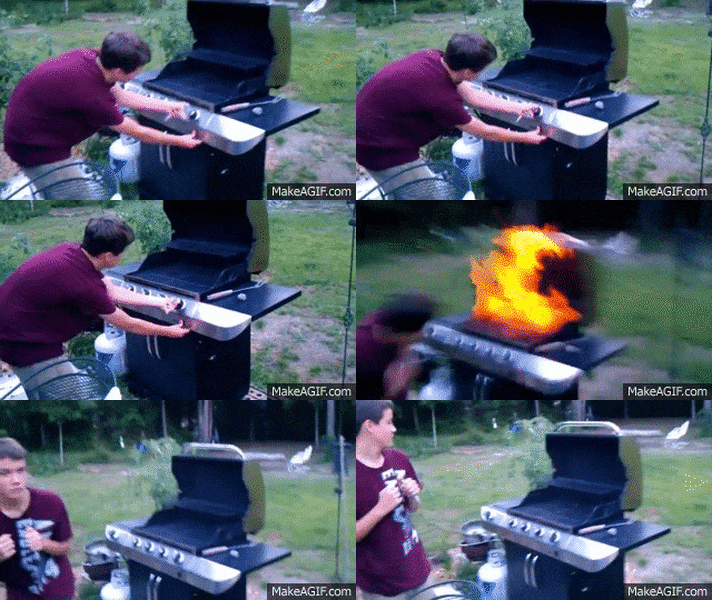
Grills, smokers, and outdoor appliances add flavor to your summer, but they also bring real risk if not used and maintained safely. Check for cracked hoses, frayed wiring, or improperly stored fuel. And don’t forget your coverage. Some outdoor fixtures may require specific language in your policy or a special endorsement to be fully insured.

  1. The Vacation Home Vibe Comes with Risk

If you have a second home or a vacation rental, summer might be its busiest and riskiest season. These properties often sit unattended, making them a target for theft or vulnerable to unnoticed damage. The right insurance protection should include seasonal occupancy clauses and clear documentation of assets kept on-site.

Summer Property Risk Checklist:

  • Inspect roof and siding for UV damage or warping
  • Trim all trees and shrubs at least 5 feet from structures
  • Check and clean grill components before every use
  • Secure and document outdoor fixtures like pergolas and kitchen appliances
  • Review your vacation home coverage for fire, theft, and occupancy changes
  • Update your property inventory with photos included for all locations

Staying cool this summer isn’t just about comfort. It’s about taking a proactive approach to summer risk prevention. Your property faces unique exposures in July and August. Now’s the time to review your policy, inspect your space, and talk to your agent about where you may need extra protection. We’re here through all the seasons and all the reasons you need us!

Comments Off on Stay Cool, Stay Covered: Summer Property Risks You May Be Overlooking

Backyard Bliss or Liability Risk? Pool Safety and Insurance Tips

As the temperature rises and summer days stretch longer, backyard pools become the centerpiece of fun for many Missouri families. Whether you’re planning pool parties, enjoying a quiet float, or watching kids dive in with excitement, there’s more to pool ownership than fun and sunscreen. There are serious liability risks and potential gaps in insurance coverage that every homeowner should understand.

Pool Ownership: More Than Just Water and Sunshine

Owning a pool adds value and enjoyment to your home, but it also introduces risk. Every insurance provider has its own underwriting guidelines regarding pools, so coverage may vary depending on the type, features, and safety measures in place.

A few factors that could influence your coverage:

  • In-Ground vs. Above-Ground: Some carriers may cover one and not the other. Others might require additional documentation or endorsements.
  • Fencing and Gates: There are state, county, and municipal requirements in most of Missouri regarding the safe enclosure of pools. Insurance carriers have underwriting that typically looks for self-latching, lockable gates and barriers that meet local codes and more.
  • Diving Boards & Slides: These fun features often come with added risk. Their presence could limit your ability to obtain coverage and even require additional endorsements.
  • Pool Parties & Guests: Injuries to visiting friends or family could open the door to liability claims. A guest slipping on wet concrete or diving into shallow water may result in costly litigation.

Safety First: Protecting People and Property

To help reduce the risk of accidents and protect your home and guests:

  • Install and maintain proper fencing, with a locking gate
  • Use pool covers when not in use
  • Keep rescue equipment nearby
  • Never leave children unattended near water
  • Post visible pool rules for guests
  • Regularly inspect diving boards and ladders for safety

So, Is Your Pool Covered?

The answer depends on your policy and provider. Some carriers may require prior approval before insuring a home with a pool. Others might exclude pools with certain features, or require additional liability coverage. The best way to know? Schedule a policy review with your agent before the season gets into full swing.

A quick conversation could help you:

  • Identify any exclusions or limitations in your current policy
  • Understand how your pool affects your liability risk
  • Determine if an umbrella policy could provide the peace of mind your family deserves

Don’t Let Coverage Gaps Sink Your Summer

Having a backyard pool is a joy, but only when it’s paired with safety awareness and proper insurance coverage. Take the time to check in with your local agent and ensure your policy is in shape for the season.

Through all the seasons and all the reasons, LCM Insurance Agency Inc is here to help protect what matters most.

Comments Off on Backyard Bliss or Liability Risk? Pool Safety and Insurance Tips

What Water Damage Does Your Insurance Cover? It Depends on the Cause.

Understanding the Basics of Water Damage Coverage in Your Missouri Home or Farm Policy

Water can be one of the most destructive forces for your home or farm, and when it gets inside, the damage can be costly. Whether you are protecting your primary residence, rental property, seasonal home, or outbuildings, it is important to understand how your insurance policy may respond to water damage.

The challenge is that coverage depends on what caused the water to get in. Not all water-related losses are treated the same. Some situations may be covered under your homeowners or farm insurance, while others are likely not.

Here are a few examples to help clarify the differences.

Sudden Pipe Burst – May Be Covered

A pipe that bursts without warning and causes immediate damage is typically considered a covered peril on standard homeowners or farm insurance policies. This kind of event is unexpected and accidental, which aligns with how most policies are written.

It is important to take preventive steps, especially during colder months in Missouri, such as maintaining indoor heat to help prevent frozen pipes.

Slow Leaks Over Time – Likely Not Covered

Damage from slow, continuous leaks that develop over time is usually not covered. For example, a small leak under a sink or behind a wall that goes unnoticed for weeks or months could be considered a maintenance issue. Insurance policies are not designed to cover wear and tear or neglect.


Sump Pump or Backup Failure – May Be Covered with Endorsement

If your sump pump fails and your basement floods, there may be coverage if your policy includes a specific sump pump or water backup endorsement. These endorsements often carry their own limits and must be added to your policy ahead of time, so it is important to discuss this with your agent before a problem occurs.

Surface Water or Groundwater – Likely Not Covered

Water that enters the home from outside, such as heavy rains that cause pooling or runoff into a basement, is usually classified as surface water. Standard homeowners and farm policies typically do not cover this type of damage. These situations may fall under the category of flood, which requires separate flood insurance coverage.

Flood insurance is available through the National Flood Insurance Program (NFIP) and is highly recommended for properties located near rivers, low-lying areas, or places prone to runoff. Our agents are able to facilitate the NFIP for you.

So, What Should You Do?

Protecting your property starts with two things: knowing what your insurance policy may cover, and taking steps to prevent water damage in the first place.

Regular home maintenance is a critical part of prevention. Here are some tasks every property owner should prioritize:

  • Keep gutters cleared at least twice per year.
  • Ensure downspouts extend far enough from your foundation to carry water away.
  • Make sure the grade around your home slopes away from the foundation.
  • Test your sump pump system twice a year.
  • Check for signs of leaks under sinks, around appliances, and near water heaters.
  • Always keep the number of a trusted mitigation expert on hand. Most of them have 24/7 emergency service. Waiting on water damage will lead to extenuating damage and potentially severe health risks.

Taking care of your home can help you avoid unexpected water damage and ensure that, if something does happen, you have the right coverage in place.

At LCM Insurance Agency Inc, we are here through all the seasons and all the reasons you need us. Our knowledgeable team is happy to review your current coverage and make sure it aligns with your needs—whether you are in town, on the farm, or somewhere in between.

Comments Off on What Water Damage Does Your Insurance Cover? It Depends on the Cause.

Spring Cleanup: Protecting Your Home as the Seasons Change

Spring in the Midwest is a welcome sight—longer days, blooming trees, and the promise of warmer weather. But with the shift in seasons comes the perfect opportunity (and responsibility) to do a thorough spring cleanup around your home and property. At LCM Insurance Agency Inc., we believe preventive maintenance is one of the best ways to avoid costly claims—and protect what matters most.

As an insurance agency serving our neighbors with homeowners insurance, farm coverage, liability protection, and more, we’ve seen how a little attention in spring can prevent big problems down the line.

Here are some key spring cleanup tasks we recommend:

Home & Property Spring Checklist:

  • Inspect tree limbs and branches for winter damage. Remove any that are broken or hanging precariously near your home, vehicles, or utility lines.
  • Schedule HVAC maintenance to ensure your system is ready for the summer heat. A tune-up now can prevent breakdowns later.
  • Check your roof for missing shingles, lifted flashing, or other signs of damage from snow, ice, or high winds.
  • Examine your siding and gutters for any cracks or blockages that could lead to leaks or water backup.
  • Look for standing water near your foundation. This could signal poor drainage, which may increase your risk of water seepage into the basement.
  • Assess walkways, driveways, and patios for cracking or shifting caused by freezing and thawing cycles.
  • Test outdoor spigots and irrigation systems for freeze damage.
  • Review your homeowners insurance policy to ensure your coverage reflects your current needs—especially if you’ve made upgrades or plan to.

If you live on a farm or own tractors, combines, ATVs, or other implements, now is also the time to:

  • Inspect all equipment for wear and tear before planting season.
  • Check that your farm personal liability coverage is current and reflects the scope of your operation.
  • Review your umbrella insurance or commercial insurance needs if your business is growing.

At LCM Insurance Agency Inc., we’re proud to be here through all the seasons and all the reasons you need us. Cathy Filsinger and Jeff Davis are always ready to help you understand your options, whether you’re reviewing your current homeowners insurance policy or looking into farm, auto, or rental property coverage.

Need a spring insurance checkup?

Contact us today to review your policies or ask about coverage updates that match your life today.

Comments Off on Spring Cleanup: Protecting Your Home as the Seasons Change

Be Prepared: Navigating Missouri’s Unpredictable Weather

Missouri’s weather can change in an instant, making preparedness essential. From strong winds to damaging hail, severe thunderstorms can bring serious risks to homes, farms, and businesses. At Lincoln County Mutual Insurance Agency, we want to ensure you have the knowledge and coverage needed to protect your property, family, and livelihood.

Recognizing Severe Weather

Severe thunderstorms bring high winds, lightning, and hail, all of which can cause costly damage to homes, farm buildings, and vehicles. Hail size is often measured by comparison to everyday objects:

  • Non-Severe: BB (1/8 inch), Pea (1/4 inch), Marble (1/2 inch)
  • Severe: Quarter (1 inch), Walnut (1 1/2 inches), Golf Ball (1 3/4 inches)
  • Significant Severe: Egg (2 inches), Tennis Ball (2 1/2 inches), Softball (4 1/2 inches)

Wind and hail can result in roof damage, broken windows, dented vehicles, and destruction of farm equipment such as tractors, combines, and other farm implements. Homeowners insurance and farm personal liability coverage can help protect against these costly events.

What to Do During Severe Weather

At Home:

  • Seek shelter in an interior room on the lowest floor.
  • Stay away from windows and doors.
  • Put as many walls between you and the outside as possible.

In a Vehicle:

  • Avoid driving during severe thunderstorms.
  • If caught in a storm, pull over in a safe location and remain inside the vehicle.
  • Park under cover if possible, such as a garage or carport, to reduce hail damage.

On the Farm:

  • Secure farm equipment and livestock ahead of time.
  • Move ATVs, UTVs, and farm vehicles into barns or storage areas.
  • Check that your farm insurance policy covers wind and hail damage.

Protecting Your Property

Before a storm hits, take proactive steps to safeguard your home and business. Homeowners insurance policies vary, so talk with your agent and understand the type of coverage you have. Is it a replacement cost policy or an actual cash value policy? It’s important to understand the difference. If you own rental property or multi-family dwellings, check that your coverage accounts for potential storm damage. Commercial auto and fleet insurance can protect business vehicles from hail-related losses.

Severe weather is unpredictable, but being prepared can make all the difference. At Lincoln County Mutual Insurance Agency, we provide comprehensive insurance solutions for homes, farms, businesses, and personal property across Missouri, including Lincoln, Warren, Pike, and Montgomery counties.

We are here through all the seasons and all the reasons you need us. Contact us today to review your homeowner insurance policy, farm liability, or business insurance to ensure you’re fully protected against Missouri’s wild weather.

Jeff Davis, Agent
636.528.8242 or 636.290.6052
[email protected]

Cathy Filsinger, Agent
636.528.8242 or 636.290.6049
[email protected]

Comments Off on Be Prepared: Navigating Missouri’s Unpredictable Weather